Sustainability and eco friendly information
Quality Is Everything…
And Here…
Everything Is Quality

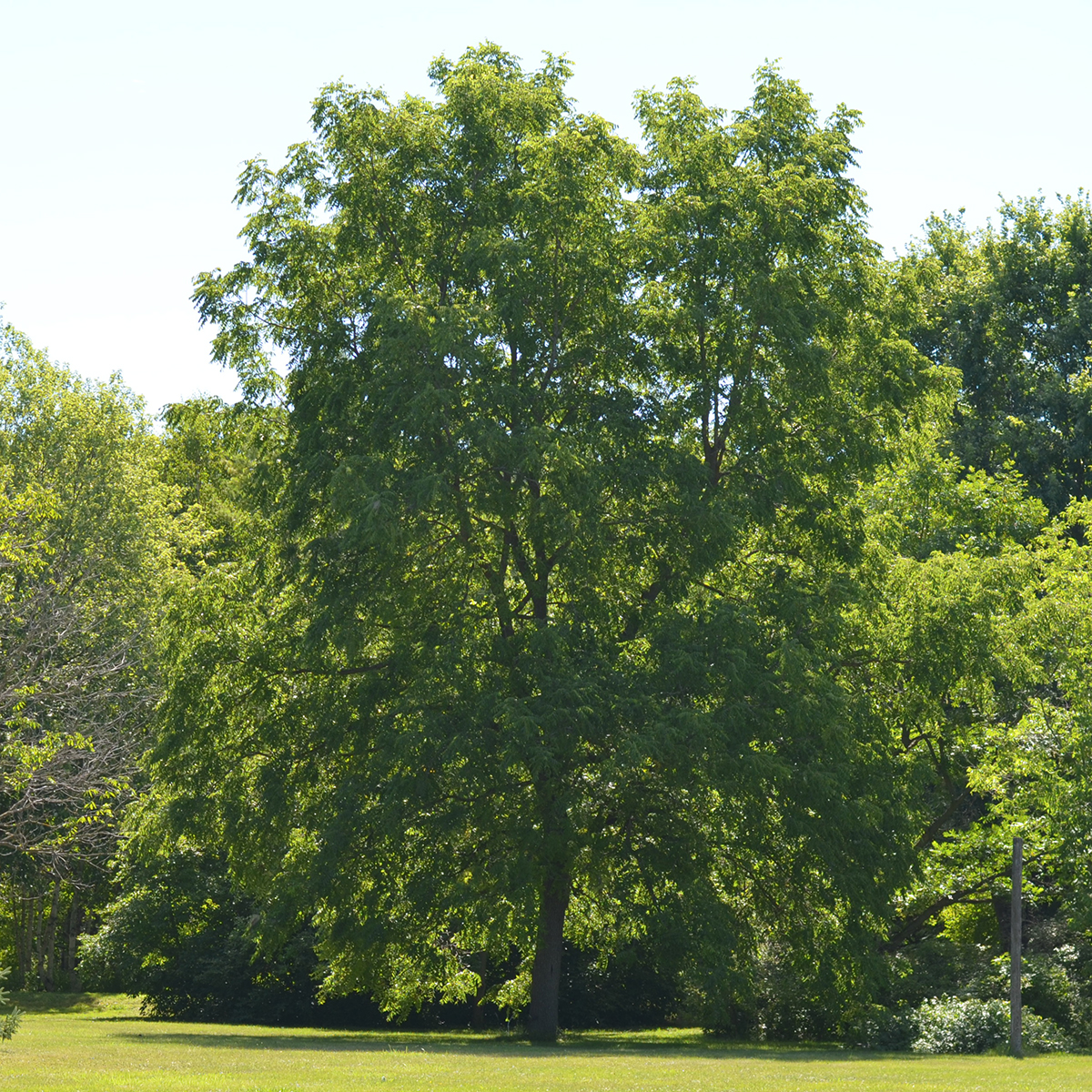
Sustainably And Respectfully Harvested Canadian Hardwoods
You can rest assured we use only sustainably and respectfully milled hardwoods or it does not come through my shop.
As a testament to our commitment to sustainability, when you order a table from us we offer you a free black walnut tree from our little black walnut nursery. If it is not feasible for you to plant at your residence we plant a tree for you at our property or in our area.
Buying 100% solid hardwood furniture is a benefit for the environment and your health.
We have crafted a informational guide to the differences in buying solid wood furniture vs engineered materials.
THE COMPLETE GUIDE TO SOLID WOOD FURNITURE VS ENGINEERED MATERIALS
In an era of fast furniture and flat-pack convenience, homeowners are increasingly asking deeper questions: What is this made from? How long will it last? What is it off-gassing into my home?
When you compare solid wood furniture to engineered materials like MDF, particleboard, and veneers, the differences go far beyond price and aesthetics. They touch your health, your home’s air quality, long-term value, and environmental impact.
This guide breaks down the real differences including VOC emissions, structural longevity, sustainability, and why solid wood remains the superior choice for those who value craftsmanship and clean living.
Solid wood furniture is crafted from natural lumber hardwoods such as oak, maple, walnut, or ash cut directly from trees and milled into boards. There are no internal fillers, composite cores, or artificial bonding agents.
Each board contains natural grain variation, strength, and character that cannot be replicated synthetically. When properly kiln-dried and finished with natural oils or low-VOC finishes, solid wood is one of the most stable and healthy materials you can bring into your home.
What Are Engineered Materials?
Engineered wood products include:
- MDF (Medium Density Fiberboard)
- Particleboard
- Plywood (especially lower-grade varieties)
- Veneer-wrapped composite cores
These materials are made by breaking down wood fibers or wood waste, then binding them together with adhesives and resins under heat and pressure. While they create uniform sheets that are inexpensive and easy to mass-produce, the internal structure is fundamentally different from solid wood.
The biggest concern? Adhesives.
Understanding VOCs in Furniture
VOCs ,volatile organic compounds ,are chemicals that evaporate into the air at room temperature. Many engineered furniture products contain adhesives and synthetic finishes that release VOCs over time.
Common VOCs found in mass-produced furniture include:
- Formaldehyde
- Benzene
- Toluene
- Xylene
- Ethylene glycol
Formaldehyde is especially common in particleboard and MDF because it is used in urea-formaldehyde resins that bind wood fibers together.
Exposure to elevated VOC levels can contribute to:
- Eye, nose, and throat irritation
- Headaches
- Respiratory issues
- Aggravation of asthma
- Long-term health risks with chronic exposure
In newly furnished homes, indoor VOC concentrations can be significantly higher than outdoor air a phenomenon often called “off-gassing.”
Why Solid Wood Is Better for Indoor Air Quality
Solid wood furniture contains no internal synthetic bonding agents. When finished with natural oils, waxes, or low-VOC finishes, it emits little to no harmful off-gassing.
Instead of releasing chemical vapors, solid wood:
- Naturally regulates humidity
- Absorbs and releases moisture gently
- Contributes to healthier indoor air balance
For families with children, pets, or anyone sensitive to chemical exposure, the difference matters.
Your dining table should nourish connection not release invisible pollutants into the air.
Longevity: Built for Decades, Not Disposal
One of the clearest distinctions between solid wood and engineered materials is lifespan.
Engineered Materials
- Susceptible to moisture swelling
- Cannot be sanded or refinished deeply
- Veneers chip or peel
- Often structurally weakened at joints
- Typical lifespan: 5–10 years or less
Once damaged, most engineered furniture ends up in landfills because it cannot be economically repaired.
Solid Wood
- Can be sanded and refinished multiple times
- Gains character over time
- Strong joinery increases structural integrity
- Can last 50–100+ years
Heirloom furniture isn’t a marketing phrase it’s a structural reality. A solid wood table can serve multiple generations.
When you divide cost by lifespan, solid wood often becomes the more economical choice long term.
Environmental Impact: The Hidden Cost of Fast Furniture
At first glance, engineered materials seem efficient because they use wood waste. However, their environmental footprint is more complex.
Problems with Engineered Materials
- Petrochemical Adhesives – The resins used often rely on fossil fuel derivatives.
- Short Product Life Cycle – Frequent replacement increases manufacturing demand.
- Landfill Waste – Composite materials are difficult to recycle.
- High Energy Production – Heat and chemical processing require significant energy.
Because engineered furniture is often built for low price and rapid turnover, it feeds a cycle of disposal and repurchasing.
Why Solid Wood Is More Sustainable
When responsibly sourced, solid wood is one of the most renewable materials available.
Benefits include:
- Trees absorb carbon during growth.
- Lumber production requires less chemical processing.
- Products last generations, reducing demand for replacement.
- Solid wood is biodegradable at end of life.
- Repairability extends usable life dramatically.
A single well-crafted dining table can offset the need for multiple disposable tables over decades.
Longevity is sustainability.
Aesthetic and Emotional Value
Beyond health and environmental considerations, solid wood provides something engineered materials cannot: AUTHENTICITY
Every grain pattern is unique.
Every board tells a story of growth rings shaped by climate and time.
Every handcrafted piece reflects human skill rather than factory automation.
Engineered furniture often imitates wood through printed laminates. Solid wood is wood.
Over time, engineered materials deteriorate visually. Solid wood develops patina a rich surface character earned through years of use.
The difference is depth.
The Cost Conversation
Yes, solid wood furniture typically requires a higher upfront investment. But consider:
- 50+ year lifespan vs 5–10 years or less
- No need for frequent replacement
- Higher resale value
- Repairability instead of disposal
Cheap furniture is expensive when you buy it repeatedly.
True value is measured over decades.
Choosing Solid Wood for Health, Home, and Planet
If your goal is:
- Cleaner indoor air
- Reduced chemical exposure
- Long-term cost efficiency
- Sustainable purchasing
- Furniture that improves with age
Solid wood is the clear winner.
The shift toward conscious consumption is growing. People are questioning where materials come from, how products are made, and what invisible effects they bring into their homes.
Choosing solid wood furniture is not just a design decision it’s a health decision. It’s an environmental decision. It’s a longevity decision.
It’s choosing to invest in fewer, better things.
Our Final Opinion
Furniture shapes the spaces where we gather, eat, work, and rest. The materials inside those spaces matter.
Engineered materials prioritize speed and cost.
Solid wood prioritizes integrity and endurance.
In a world of disposable goods, solid wood furniture stands apart not because it is trendy, but because it is timeless.
When crafted with care and finished responsibly, it offers beauty, strength, clean air, and a legacy that can outlast the trends of its time.
And that is the difference between furniture you use and furniture you live with for a lifetime.
Call or Text
705.896.4840
DEREK@WESTERNPRIDEWOODWORKS.COM
Your First Step To Hiring The Right Craftsman And Purchasing Environmentally Responsible Furniture

DUNGEONS AND DRAGONS TABLES
We offer a 15% Discount to all Women on all labour on all custom furniture orders , all year every year.
ONTARIO DELIVERY Canada Wide Shipping
Western Pride Woodworks Handcrafts DND Tables In Ontario Canada. We also handcraft all other types of custom handmade furniture. Our diversity ,expertise and personal customer service is what sets us apart from other wood shops in the province and in the country. We offer spectacular results at some of the best price points around. Contact us for a free and honest quote on your requirements. We are located in Innisfil Ontario at 7681 10 Sideroad. We are proud to be a 100% Canadian small business.